
Texas Hill Country stretches across a vast limestone plateau between San Antonio and Austin, covering more than 25,000 square miles of river valleys, wineries, and small-town Main Streets. Travelers searching for 3-star hotels here are typically looking for reliable, mid-tier comfort without paying luxury rates - and this region delivers exactly that, with properties spread across gateway towns like Canyon Lake, Del Rio, and Manor. This guide breaks down the best options, where to position yourself, and when to book.
What It's Like Staying in Texas Hill Country
Texas Hill Country is best known for its spring wildflower season, Guadalupe and Comal river tubing, over 50 working wineries along US-290, and a string of charming towns - Fredericksburg, Kerrville, Boerne, and New Braunfels among them. Getting around requires a car; there is no regional public transit connecting attractions, and distances between towns average around 30 miles. Crowds peak hard between March and June during bluebonnet season and again over Memorial Day and Labor Day weekends when river resorts fill up weeks in advance.
Families, couples on wine trails, and outdoor enthusiasts gain the most from basing here. Travelers expecting walkable urban convenience or easy airport connections may find the logistics frustrating - the nearest major airport hubs are San Antonio and Austin, both roughly an hour's drive from the heart of the region.
Pros:
- Access to river tubing, state parks, and wine country within a single driving loop
- Significantly lower nightly rates compared to Austin or San Antonio city-center hotels
- Quieter, low-density atmosphere suited to relaxed, nature-focused itineraries
Cons:
- A personal vehicle is mandatory - no rideshare coverage in rural stretches
- Peak-season weekends push availability down sharply, especially near New Braunfels and Fredericksburg
- Limited late-night dining and entertainment options outside of larger gateway towns
Why Choose 3-Star Hotels in Texas Hill Country
In Texas Hill Country, 3-star hotels occupy a practical sweet spot: they consistently offer amenities like outdoor pools, free parking, and complimentary breakfast - features that matter when you're driving long stretches and arriving late. Unlike budget motels, 3-star properties here tend to include fitness centers and business-ready rooms, while avoiding the premium pricing of Hill Country's boutique ranch resorts, which can run above $300 per night on weekends. Nightly rates at 3-star hotels in the region typically fall around $100-$140 on weekdays, making them a realistic choice for multi-night stays.
Room sizes are generally generous compared to urban 3-star equivalents - many properties include suites with kitchenettes or separate living areas, useful for families or longer visits. The trade-off is location: most 3-star options sit along highway corridors rather than in walkable town centers, meaning you'll drive to every meal and activity rather than strolling out the front door.
Pros:
- Free parking is standard - essential in a car-dependent region with no paid garages
- Pools and breakfast included at most properties, cutting daily costs meaningfully
- Suite and family room configurations are more available than at budget-tier properties
Cons:
- Highway-facing locations mean car noise is common, especially at properties near I-10 or US-90
- On-site dining is rarely available; guests depend on nearby fast food or a short drive to town restaurants
- Weekend pricing during spring and summer festivals can spike to near-boutique levels
Practical Booking & Area Strategy
Positioning matters significantly in Texas Hill Country because the region spans multiple counties. Staying near Canyon Lake or New Braunfels gives you fast access to Schlitterbahn Waterpark, Comal River tubing, and Canyon Lake's 80 miles of shoreline - ideal if water activities are your priority. Manor, on the eastern edge near Austin, works well for travelers who want Hill Country access while staying close to Austin-Bergstrom International Airport, around 30 km away. Del Rio, in the southwestern corner near the Mexico border, serves a different use case - it's the gateway to Amistad National Recreation Area and suits travelers focused on fishing, boating, or the Pecos River region rather than the classic Hill Country wine-and-rivers circuit.
Book at least 6 weeks ahead for any stay between late March and early June or over major holiday weekends. The Fredericksburg Oktoberfest and Kerrville Folk Festival also drive regional occupancy spikes. For off-peak visits in January or February, last-minute rates can drop noticeably, and the weather remains mild enough for hiking and winery visits without the crowds.
Best Value Stays
These properties offer reliable 3-star amenities at accessible price points, well-suited for travelers prioritizing practicality and proximity to Hill Country's outdoor attractions.
-
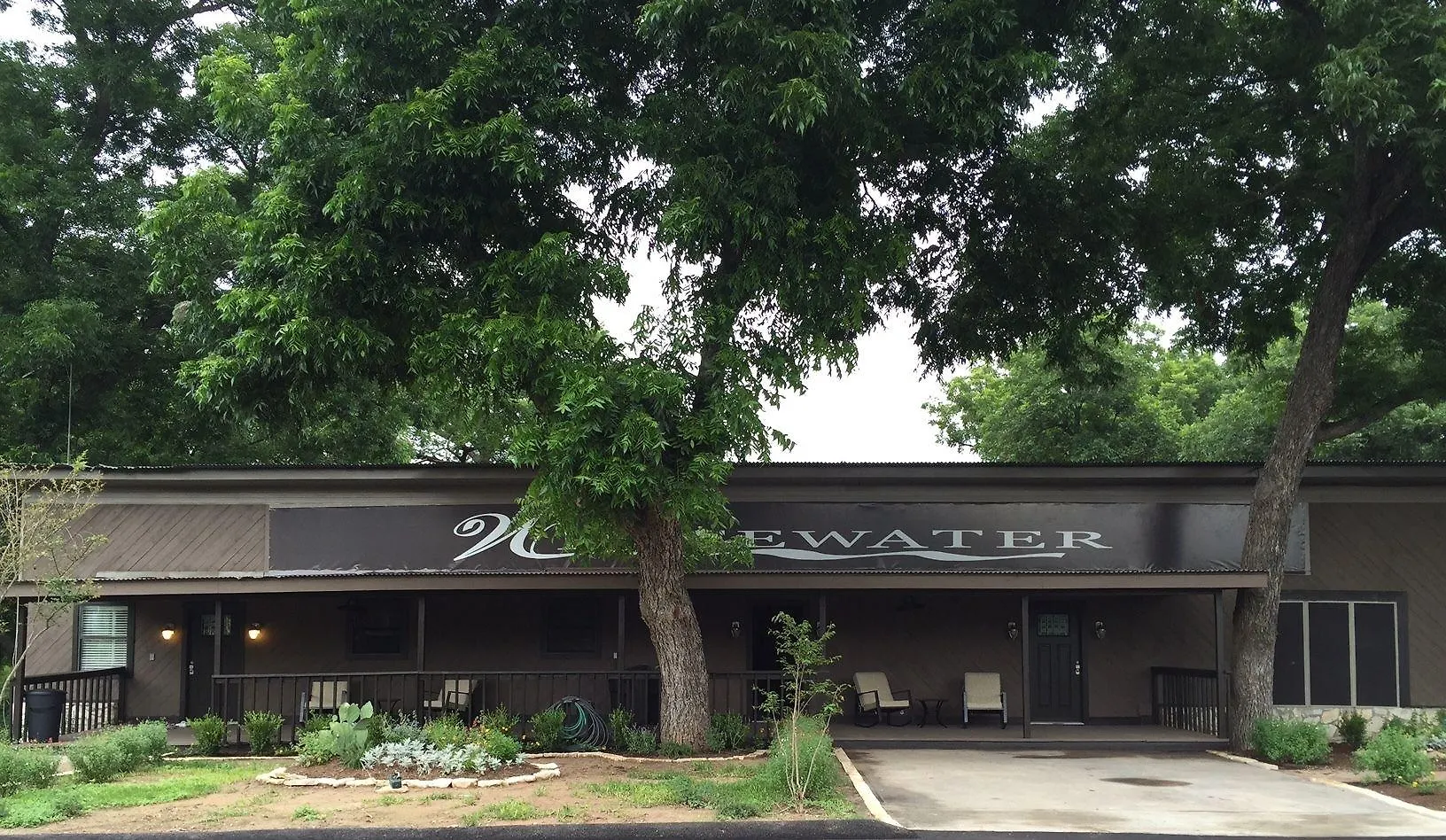
1. Whitewater Condos
Show on map


 Check-infrom 16:00 until 23:00Check-outfrom 10:00 until 11:00
Just a few rooms left at the best rate!
fromUS$ 185
-
2. Motel 6-Del Rio, Tx
Show on map


 Check-infrom 13:00 until 23:59Check-outuntil 11:00
Just a few rooms left at the best rate!
fromUS$ 45
Best Premium Stays
These properties offer expanded facilities, stronger breakfast programs, and more strategic positioning for travelers who want a fuller amenity set during their Hill Country visit.
-
3. Holiday Inn Express & Suites - Austin - Manor By Ihg
Show on map


 Check-infrom 15:00 until 23:59Check-outuntil 12:00
Hurry – almost gone at this price!
fromUS$ 266
-
4. Full Moon Inn
Show on map


 Check-infrom 15:00 until 23:59Check-outuntil 11:00
Rooms filling fast – secure the best rate!
fromUS$ 175
Smart Travel & Timing Advice for Texas Hill Country
Late March through early May is the peak season in Texas Hill Country, driven by bluebonnet blooms, spring river flows, and Fredericksburg's wine festival calendar. During this window, 3-star hotel rates can spike by around 40% compared to January nightly averages, and availability near New Braunfels drops sharply by Thursday of any given weekend. Summer - June through August - brings intense heat above 95°F but also the highest demand for river tubing properties near Canyon Lake and Gruene, so book at least 6 weeks out for those areas specifically.
October is a strong shoulder-season alternative: temperatures drop to comfortable hiking range, Fredericksburg's Oktoberfest runs, and winery harvests are active, but the frantic spring crowds are gone. January and February offer the lowest rates and the quietest experience - useful for travelers focused on Hill Country's state parks, cycling routes, or winery tastings without the wait. A minimum of 3 nights is recommended to do the region justice; one-night stays rarely allow enough time to cover the distances between attractions meaningfully.


